
Startled? You should be…
This has nothing to do with your Intelligence Quotient – rather – everything to do with the Investability Quotient.
I work with / hear from wannabe entrepreneurs from across the world. Many believe if they have an idea and it worked, they have a business plan, and they are ready to go.
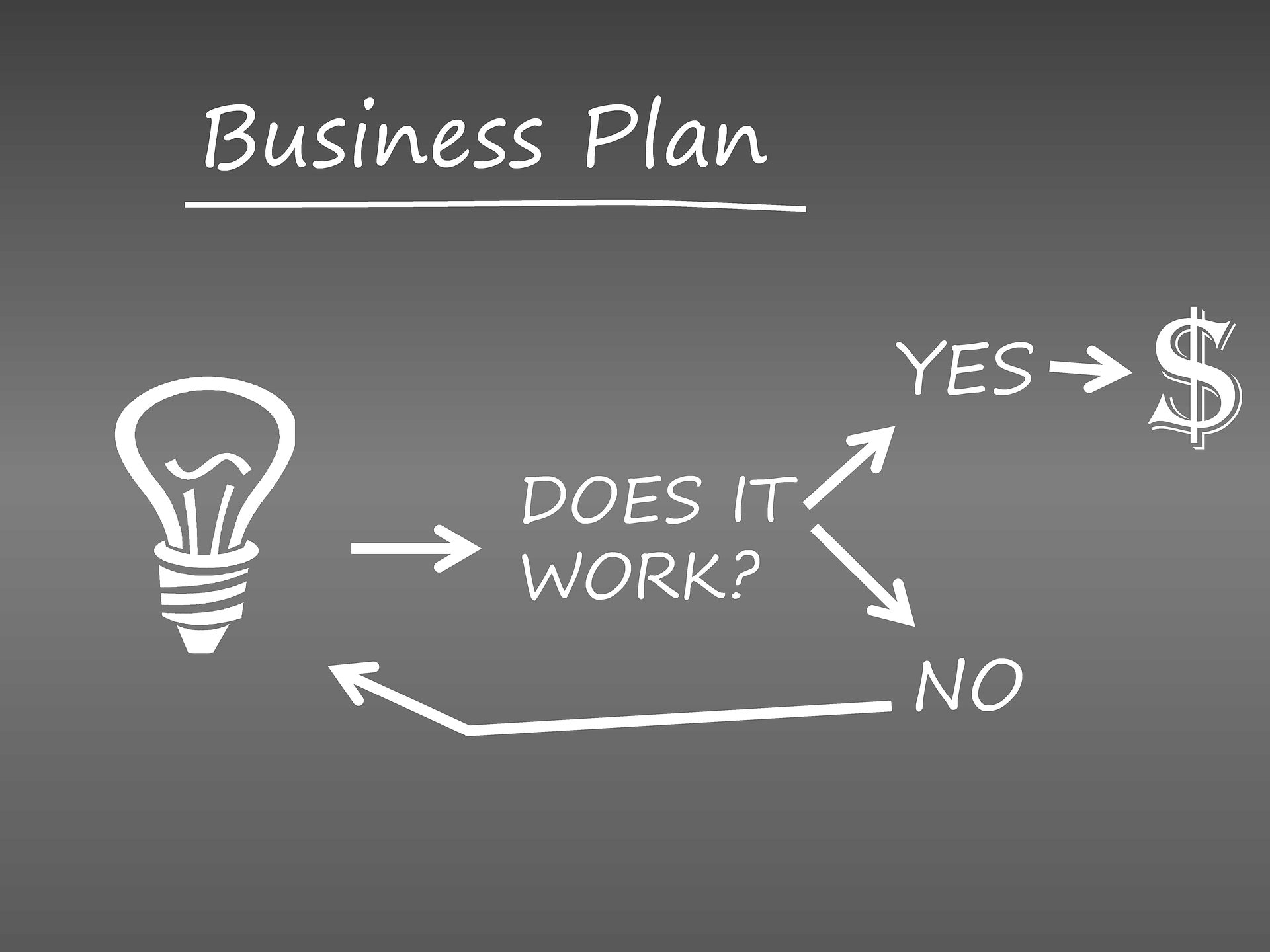
At one extreme, some want to become the next Warren Buffet in half the time, others aim to change the world by doing good. As an investor, I politely excuse myself from the conversation in a few seconds and ask them to first send me the homework they have done.
What is this Investability Quotient?
There is nothing wrong with having lofty goals, dreams, and seeking funding to accomplish these. However, the fact is, probabilities of successful outcomes matter. And that depends on the “Investability Quotient” of the entrepreneur and the project – as viewed by the investor.
It is an index that aggregates across multiple dimensions that impact a business. Comprised of standard measures based on the stage of the business and several that are customized to the specific industry, they provide a better perspective on the chances the business will escape infant mortality.
Is there absolute certainty of any kind – for a given IQ? Absolutely not, however, entrepreneurs and investors alike can better the odds, tilting them favorably.
Sample dimensions and components (three from a long list)
1: State of the economic cycle
Surprisingly, this is a much overlooked dimension although it can impact a business in many ways. During economic slowdowns, spending is curtailed, and many programs get shelved. If the product / service is viewed as discretionary, getting traction on sales will be harder. Further, the cash to cash cycle time is likely to stretch out. This has important implications on how much capital will be needed and the runway needed for the startup to take off. Thus knowledge of the interaction between the products / services offered and the business cycle is a key determining factor.
2: Leadership team
One key attribute of the leadership team is coachability – particularly the CEO. This alone can be a key differentiator between the startups that make it and others that don’t. A healthy dose of ego may be near and dear to leaders, and can be instrumental in building confidence. However, it needs to be balanced with an equal amount of humility. The savvy CEO knows how to cultivate and maintain such balance. The challenge is for the investors to figure out early enough on how teachable the leadership team really is.
3: Financials
The importance of cash (an essential component of this dimension) can never be over emphasized. The leadership absolutely must have rivetted attention to the Dry Well Time (DWT) and be able to answer the question “What is your DWT?” even while asleep. Not being able to do so is an indication they lack firm grasp of how much time is left before the business goes to RIP. This is true regardless of the nature of the business – for profit, or not for profit. Most startups rely on Balance Sheet and P&L statements which are of little use in this regard. Knowing the DWT metric and key inflexion points on the roadmap enables leadership to navigate around sub-surface rocks that can wreck the boat particularly when cash (water level) begins to drop.
You have seen just how business IQ is different from conventional IQ. As an entrepreneur you will need sharp focus on multiple dimensions and know the essentials in each. Further – a good understanding of how the dimensions and their components interact with each other is indispensable. This stuff is hard to learn through academic programs.
Still interested in entrepreneurship? Ready to take a leap? Need a sounding board, or coach? Let’s chat! Use the form below to contact me.
 Rai Chowdhary's blog